- Well qualified and experienced Doctors: PES University medical facility and college has the most well qualified and experienced doctors working on campus which will be a great advantage for all our students
- Higher Studies Options: PES University will provide option for higher education for its students with benefits after their UG education as we have a full plethora of courses across domains to offer.
-
State-of-the-Art Facilities:
PES University Electronic City campus where the program is offered has state-of-the-art facilities including:
- Cutting-edge teaching labs
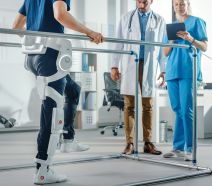
- Physiotherapy programme facilities and clinical learning infrastructure
- Procedure centres relevant to applicable specializations
- Medical equipment and teaching resources
- Library with digital databases
- Multidisciplinary research facilities
- Hostel facilities for boys and girls
- Transportation facilities
- Sports and recreation facilities on campus
Program Outline
Bachelor of Physiotherapy (BPT)
Eligibility
Candidates must have passed 10+2 or equivalent with Physics, Chemistry & Biology (or Botany & Zoology), with 50% aggregate in PCB and a pass in English.
SC/ST/OBC-NCL and PwBD/PwD candidates: minimum 40% in PCB; English pass required for all categories.
Register for Admissions
Embark on a rewarding journey with the Bachelor of Physiotherapy program at PES University, a comprehensive course designed to equip students with the essential skills and knowledge needed to excel in the field of physiotherapy. This program is meticulously crafted to blend theoretical learning with practical experience, ensuring students are well-prepared to navigate the real world of physical healthcare.
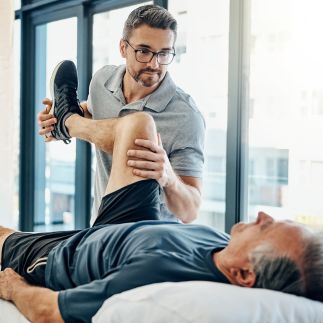
Students will study core biomedical, behavioural, foundational physiotherapy and healthcare subjects within a competency-based curriculum. The programme integrates classroom learning, practical work, simulation and progressive clinical education
Students develop competencies in examination, assessment, evaluation and physiotherapy management, together with communication, evidence-based practice, ethics and interprofessional care. Clinical learning progresses from observation and guided practice to supervised clinical responsibility.
Graduates are prepared to provide physiotherapy services that support movement, function, participation and quality of life across a range of healthcare and community settings challenges. They will be well-positioned to make a meaningful difference in healthcare settings, sports organizations, private practices, and beyond, steering the course towards a healthier and more active society. Join the program and navigate the path to becoming a skilled and compassionate physiotherapist, dedicated to fostering physical well-being and enhancing lives.
Why Study this Program at PES University?
Who should pursue this Program?
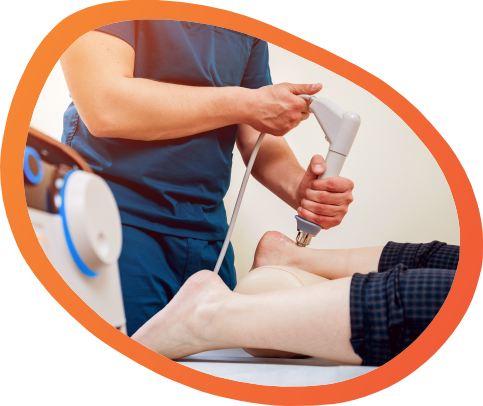
The Bachelor of Physiotherapy program is an ideal choice for individuals who are passionate about health, wellness, and making a tangible difference in people’s lives. If you have a keen interest in the human body, its mechanics, and the science behind physical healing and rehabilitation, this program will provide the comprehensive education and practical experience you need. It's perfect for those who possess empathy, patience, and excellent communication skills, as physiotherapists work closely with patients, understanding their ailments and guiding them through the recovery process.
The program is also suitable for individuals seeking a dynamic and rewarding career, as it offers diverse opportunities to work in various settings, including hospitals, sports organizations, and private practices. Embark on the Bachelor of Physiotherapy program if you aspire to empower individuals to lead healthier, more active lives by providing expert care, support, and rehabilitation services. Your journey towards becoming a skilled and compassionate healthcare professional begins here.
Placement Opportunities & Career Assistance
PES University provides career and placement assistance through the centralised placement cell, along with training in soft skills, aptitude, etiquette and resume building. These services are intended to support students in exploring employment opportunities after graduation; placement is subject to employer requirements and selection processes.
Graduates may pursue opportunities in hospitals, healthcare networks, research centres, private clinics, government healthcare organisations and educational settings, subject to applicable professional requirements.
Some of the prospective organizations where the students can build their career after graduating are as follows…
Typical employment settings:Hospitals, healthcare networks, medical research centres, private clinics and surgical centres, government healthcare organisations and educational institutions.
Year-wise Curriculum Structure
NCAHP Competency-Based Curriculum
Years 1 and 2 | Annual pattern
| Subjects |
|---|
| Human Anatomy |
| Human Physiology |
| Biochemistry |
| Fundamentals of Exercise Modalities |
| Fundamentals of Electro Physical Agents |
| Psychology & Sociology |
| Fundamentals of Healthcare Delivery System in India |
| English |
| Information Technology |
| Clinic Orientation |
| Subjects |
|---|
| Pathology & Microbiology |
| Pharmacology |
| Public Health & Health Promotion |
| Emergency Care and Life Support Skills |
| Exercise Therapy |
| Electrotherapy |
| Biomechanics & Kinesiology |
| Yoga and Systems of Medicine |
| Clinical Observation |
NCAHP Curriculum - Years 3 & 4
Clinical, diagnostic, research and professional development
| Subjects |
|---|
| General Medicine and Pediatrics |
| General Surgery |
| Orthopedics |
| Physiotherapy in Adult & Pediatric Medical and Surgical Conditions |
| Physiotherapy in Adult & Pediatric Orthopedic Conditions |
| Physical & Functional Diagnosis & Prescription |
| Research Methodology, Biostatistics & Evidence-Based Practice |
| Clinical Education |
| Subjects |
|---|
| Neurology, Psychiatry & Neurosurgery |
| Physiotherapy in Adult & Pediatric Neurological and Neurosurgical Conditions |
| Cardiothoracic Diseases & Surgeries |
| Physiotherapy in Adult & Pediatric Cardiothoracic and Surgical Conditions |
| Sports Physiotherapy & Exercise Prescription |
| Physiotherapy Ethics, Medico-Legal Aspects, Management & Administration |
| Community Physiotherapy & Rehabilitation |
| Project Work Orientation |
| Clinical Rotation |
Compulsory Rotatory Internship
The internship is completed in the institute hospital or affiliated/approved hospitals. NCAHP requires a stipend as prescribed by the State Council, mandatory BLS training and a two-month rural posting as part of the internship. Up to four months may be completed as externship in a State Council-approved institute.
Internship includes rotation through clinical areas and maintenance/assessment of the prescribed logbook and training records.
Practical, laboratory and clinical-learning components form part of the programme as prescribed by the NCAHP curriculum.
The detailed scheme of hours, credits, assessments and clinical requirements is governed by the latest applicable NCAHP curriculum and university regulations.


Future Career Prospects after completing the Program
Career pathways for BPT graduates span clinical practice, sports, paediatrics, geriatrics, orthopaedics, research, education, community and corporate wellness settings, subject to applicable registration and professional requirements.
Programme Highlights
These highlights emphasize the program's commitment to providing a comprehensive, practical, and enriching educational experience, preparing students to excel in the field of physiotherapy.
NCAHP Competency-Based Curriculum
Progressive Clinical Education

Compulsory 1-Year Rotatory Internship